
Actual Transparent Window 3.0 serial key or number

Actual Transparent Window 3.0 serial key or number
Windows 8.1
| A version of the Windows NT operating system | |
 | |
 | |
| Developer | Microsoft |
|---|---|
| OS family | Microsoft Windows |
| Source model | |
| Released to manufacturing | August 27, 2013; 7 years ago (2013-08-27)[1] |
| General availability | October 17, 2013; 6 years ago (2013-10-17)[2] |
| Latest release | 6.3.9600 / April 8, 2014; 6 years ago (2014-04-08)[3] |
| Update method | Windows Update, Windows Store, Windows Server Update Services |
| Platforms | IA-32, x64 |
| Kernel type | Hybrid |
| License | Trialware, Microsoft Software Assurance, MSDN subscription, Microsoft Imagine |
| Preceded by | Windows 8 (2012) |
| Succeeded by | Windows 10 (2015) |
| Official website | www.microsoft.com/windows |
| Support status | |
All editions except Windows Embedded 8.1 Industry:
Windows Embedded 8.1 Industry: | |
Windows 8.1 is an operating system that was produced by Microsoft and released as part of the Windows NT family of operating systems. It was released to manufacturing on August 27, 2013, and broadly released for retail sale on October 17, 2013, about a year after the retail release of its predecessor. Windows 8.1 was made available for download via MSDN and Technet and available as a free upgrade for retail copies of Windows 8 and Windows RT users via the Windows Store. It was succeeded by Windows 10 in July 2015. A server counterpart was released on October 18, 2013, entitled Windows Server 2012 R2. Microsoft ended mainstream support for Windows 8.1 on January 9, 2018, and extended support will have ended by January 10, 2023.
Windows 8.1 aimed to address complaints of Windows 8 users and reviewers on launch. Visible enhancements include an improved Start screen, additional snap views, additional bundled apps, tighter OneDrive (formerly SkyDrive) integration, Internet Explorer 11 (IE11), a Bing-powered unified search system, restoration of a visible Start button on the taskbar, and the ability to restore the previous behavior of opening the user's desktop on login instead of the Start screen. IE11 is also shipped with Windows 10 on its release on July 29, 2015, but Microsoft Edge is the default browser in this version of Windows. Windows 8.1 also added support for such emerging technologies as high-resolution displays, 3D printing, Wi-Fi Direct, and Miracast streaming, as well as the ReFS file system.[6] After January 12, 2016, Microsoft announced that they'll be moving Windows 8 to Windows 8.1 or Windows 10 for continued support.
Windows 8.1 received more positive reception than Windows 8, with critics praising the expanded functionality available to apps in comparison to Windows 8, its OneDrive integration, along with its user interface tweaks and the addition of expanded tutorials for operating the Windows 8 interface. Despite these improvements, Windows 8.1 was still criticized for not addressing all digressions of Windows 8 (such as a poor level of integration between Metro-style apps and the desktop interface), and the potential privacy implications of the expanded use of online services. As of August 2020[update], 4.5% of traditional PCs running Windows are running Windows 8.1.[7] IE11 was made available for Windows Server 2012 and Windows Embedded 8 Standard in April 2019.[8] Microsoft supports the new Microsoft Edge web browser on Windows 8.1 since January 31, 2020.[9]
History[edit]

In February 2013, ZDNet writer Mary Jo Foley disclosed potential rumors about "Blue", the codename for a wave of planned updates across several Microsoft products and services, including Windows 8, Windows Phone 8, Outlook.com, and SkyDrive. In particular, the report detailed that Microsoft was planning to shift to a more "continuous" development model, which would see major revisions to its main software platforms released on a consistent yearly cycle to keep up with market demands. Lending credibility to the reports, Foley noted that a Microsoft staff member had listed experience with "Windows Blue" on his LinkedIn profile, and listed it as a separate operating system from 8.[10][11]
A post-RTM build of Windows 8, build 9364, was leaked in March 2013. The build, which was believed to be of "Windows Blue", revealed a number of enhancements across Windows 8's interface, including additional size options for tiles, expanded color options on the Start screen, the expansion of PC Settings to include more options that were previously exclusive to the desktop Control Panel, the ability for apps to snap to half of the screen, the ability to take screenshots from the Share charm, additional stock apps, increased SkyDrive integration (such as automatic device backups) and Internet Explorer 11.[12][13] Shortly afterward on March 26, 2013, corporate vice president of corporate communications Frank X. Shaw officially acknowledged the "Blue" project, stating that continuous development would be "the new normal" at Microsoft, and that "our product groups are also taking a unified planning approach so people get what they want—all of their devices, apps and services working together wherever they are and for whatever they are doing."[14]
In early May, press reports announcing the upcoming version in Financial Times and The Economist negatively compared Windows 8 to New Coke.[15][16] The theme was then echoed and debated in the computer press.[17][18][19] Shaw rejected this criticism as "extreme",[20] adding that he saw a comparison with Diet Coke as more appropriate.[21]
On May 14, 2013, Microsoft announced that "Blue" was officially unveiled as Windows 8.1.[22] Following a keynote presentation focusing on this version, the public beta of Windows 8.1 was released on June 26, 2013 during Build.[23][24][25] Build 9600 of Windows 8.1 was released to OEM hardware partners on August 27, 2013, and became generally available on October 17, 2013.[26][27] Unlike past releases of Windows and its service packs, volume license customers and subscribers to MSDN Plus and TechNet Plus were unable to obtain the RTM version upon its release; a spokesperson stated that the change in policy was to allow Microsoft to work with OEMs "to ensure a quality experience at general availability."[28][29] Microsoft stated that Windows 8.1 would be released to the general public on October 17, 2013.[30] However, after criticism, Microsoft reversed its decision and released the RTM build on MSDN and TechNet on September 9, 2013.[31] Microsoft announced that Windows 8.1, along with Windows Server 2012 R2, was released to manufacturing on August 27, 2013.[30] Prior to the release of Windows 8.1, Microsoft premiered a new television commercial in late-September 2013 that focused on its changes as part of the "Windows Everywhere" campaign.[32]
Shortly after its release, Windows RT 8.1 was temporarily recalled by Microsoft following reports that some users had encountered a rare bug which corrupted the operating system's Boot Configuration Data during installation, resulting in an error on startup.[33][34] On October 21, 2013, Microsoft confirmed that the bug was limited to the original Surface tablet, and only affected 1 in 1000 installations. The company released recovery media and instructions which could be used to repair the device, and restored access to Windows RT 8.1 the next day.[35][36]
It was also found that changes to screen resolution handling on Windows 8.1 resulted in mouse input lag in certain video games that do not use the DirectInput API's—particularly first-person shooter games, including Deus Ex: Human Revolution, Hitman: Absolution, and Metro 2033. Users also found the issues to be more pronounced when using gaming mice with high resolution and/or polling rates. Microsoft released a patch to fix the bug on certain games in November 2013, and acknowledged that it was caused by "changes to mouse-input processing for low-latency interaction scenarios".[37][38]
Update [edit]
On April 8, 2014, Microsoft released the Windows 8.1 Update, which included all past updates plus new features.[39] It was unveiled by Microsoft vice president Joe Belfiore at Mobile World Congress on February 23, 2014, and detailed in full at Microsoft's Build conference on April 2. Belfiore noted that the update would lower the minimum system requirements for Windows, so it can be installed on devices with as little as 1 GB of RAM and 16 GB of storage.[40] Unlike Windows 8.1 itself, this cumulative update is distributed through Windows Update, and must be installed in order to receive any further patches for Windows 8.1.[41]
At the 2014 Build conference, during April, Microsoft's Terry Myerson unveiled further user interface changes for Windows 8.1, including the ability to run Metro-style apps inside desktop windows, and a revised Start menu, which creates a compromise between the Start menu design used by Windows 7 and the Start screen, by combining the application listing in the first column with a second that can be used to display app tiles. Myerson stated that these changes would occur in a future update, but did not elaborate further. Microsoft also unveiled a concept known as "Universal Windows apps", in which a Windows Runtime app can be ported to Windows Phone 8.1 and Xbox One while sharing a common codebase. While it does not entirely unify Windows' app ecosystem with that of Windows Phone, it will allow developers to synchronize data between versions of their app on each platform, and bundle access to Windows, Windows Phone, and Xbox One versions of an app in a single purchase.[42][43][44][45] Microsoft originally announced that users who did not install the update would not receive any other updates after May 13, 2014.[46] However, meeting this deadline proved challenging: The ability to deploy Windows 8.1 Update through Windows Server Update Services (WSUS) was disabled shortly after its release following the discovery of a bug which affects the ability to use WSUS as a whole in certain server configurations.[47] Microsoft later fixed the issue[48] but users continued to report that the update may fail to install.[46] Microsoft's attempt to fix the problem was ineffective, to the point that Microsoft pushed the support deadline further to June 30, 2014.[46][49] On 16 May, Microsoft released additional updates to fix a problem of BSOD in the update.[50]
Distribution[edit]
Microsoft markets Windows 8.1 as an "update" for Windows 8, avoiding the term "upgrade."[51] Microsoft's support lifecycle policy treats Windows 8.1 similar to previous service packs of Windows: It is part of Windows 8's support lifecycle, and upgrading to Windows 8.1 is required to maintain access to support and Windows updates after January 12, 2016.[4][52]
Retail and OEM copies of Windows 8, Windows 8 Pro, and Windows RT can be upgraded through Windows Store free of charge. However, volume license customers, TechNet or MSDN subscribers and users of Windows 8 Enterprise must acquire standalone installation media for Windows 8.1 and install through the traditional Windows setup process, either as an in-place upgrade or clean install. This requires a Windows 8.1-specific product key.[53][54][55][56]
Upgrading through Windows Store requires each machine to download an upgrade package as big as 2–3.6 GB. Unlike the traditional Windows service packs, the standalone installer, which could be downloaded once and installed as many times as needed, requires a Windows 8.1-specific product key.[57] On July 1, 2014, acknowledging difficulties users may have had through the Windows Store update method, Microsoft began to phase in an automatic download process for Windows 8.1.[58]
Windows 8 was re-issued at retail as Windows 8.1 alongside the online upgrade for those who did not currently own a Windows 8 license. Retail copies of Windows 8.1 contain "Full" licenses that can be installed on any computer, regardless of their existing operating system, unlike Windows 8 retail copies, which were only available at retail with upgrade licenses. Microsoft stated that the change was in response to customer feedback, and to allow more flexibility for users. Pricing for the retail copies of Windows 8.1 remained the same.[59]
Windows 8.1 with Bing is a reduced-cost SKU of Windows 8.1 that was introduced by Microsoft in May 2014 in an effort to further encourage the production of low-cost Windows devices, whilst "driving end-user usage of Microsoft Services such as Bing and OneDrive". It is subsidized by Microsoft's Bing search engine, which is set as the default within Internet Explorer and cannot be changed by OEMs. However, this restriction does not apply to end-users, who can still change the default search engine freely. It is otherwise and functionally identical to the base edition of Windows 8.1.[60][61][62]
New and changed features[edit]
Many of the changes on Windows 8.1, particularly to the user interface, were made in response to criticisms from early adopters and other critics after the release of Windows 8.[63][64]
User interface and desktop[edit]
The Start screen received several enhancements on Windows 8.1, including an extended "All Apps" view with sort modes (accessed by clicking a new down arrow button or swiping upward), small and extra-large sizes for tiles, and colored tiles for desktop program shortcuts. Additional customization options were also added, such as expanded color options, new backgrounds (some of which incorporate animated elements), and the ability for the Start screen to use the desktop background instead. Applications are no longer added to the Start screen automatically when installed, and all applications now have colored tiles (desktop programs were previously shown in a single color). The app snapping system has also been extended; up to four apps can be snapped onto a single display depending on screen size, apps can be snapped to fill half the screen, and can also be used on any display in a multi-monitor configuration. Apps can also launch other apps in a snapped view to display content; for example, the Mail app can open a photo attachment in a picture viewer snapped to another half of the screen. Improved support is also provided by apps for using devices in a portrait (vertical) orientation. The lock screen offers the ability to use a photo slideshow as its backdrop, and a shortcut to the Camera app by swiping up. The on-screen keyboard has an improved autocomplete mechanism which displays multiple word suggestions, and allows users to select from them by sliding on the spacebar. The autocomplete dictionary is also automatically updated using data from Bing, allowing it to recognize and suggest words relating to current trends and events.[65][66] Similarly to Windows Phone, certain apps now display a narrow bar with three dots on it to indicate the presence of a pop-up menu accessible by swiping, clicking on the dots, or right-clicking.[67]
To improve the usability of the desktop interface, a visible Start button was restored to the taskbar for opening the Start screen, and the Quick Links menu (accessed by right-clicking the Start button or pressing +) now contains shutdown and sign-out options. Users can also modify certain user interface behaviors, such as disabling the upper hot corners for using the charms and recent apps list, going to the desktop instead of the Start screen on login or after closing all apps on a screen, automatically opening the "All Apps" view on the Start screen when opened, and prioritizing desktop programs on the "Category" sort mode on "All Apps". To assist users in learning the Windows 8 user interface, an interactive tutorial is also offered, along with a new Help + Tips app for additional information.[64][68] In contrast, Windows RT 8.1 downplays the desktop interface further by not displaying the Desktop tile on its default Start screen at all (however, it can still be manually added to the Start screen).[69]
Windows manager Chaitanya Sareen stated that the restoration of the visible Start button was intended to be a "warm blanket" for users who had become confused by the removal of the button on 8; the Start button was originally removed to reflect Windows 8's treatment of the desktop as an "app" rather than the main interface.[70]
Further interface behavior changes are made on the April 2014 "Windows 8.1 Update", which are oriented towards non-touch environments (such as desktop and laptop PCs) that use a keyboard and mouse, and improve integration between Windows Store apps and the desktop. When a mouse is in use, the Desktop is shown on startup by default, the Start screen uses context menus instead of a toolbar across the bottom of the screen for manipulating tiles, an autohiding title bar with minimize and close buttons is displayed within apps at the top of the screen, the taskbar can display and pin apps alongside desktop programs and be accessed from within apps, and visible search and power buttons are added to the Start screen. In non-touch environments, the default image viewer and media player programs were changed back to Windows Photo Viewer and Windows Media Player in lieu of the Xbox Video and Photos apps.[71][72]
Apps[edit]
The suite of pre-loaded apps bundled with Windows 8 were changed in Windows 8.1; PC Settings was expanded to include options that were previously exclusive to the desktop Control Panel, Windows Store was updated with an improved interface for browsing apps and automatic updates, the Mail app includes an updated interface and additional features, the Camera app integrates Photosynth for creating panoramas, and additional editing tools were added to the Photos app (while integration with Flickr and Facebook was completely removed). A number of additional stock apps were also added, including Calculator, Food and Drink, Health and Fitness, Sound Recorder, Reading List (which can be used to collect and sync content from apps through OneDrive), Scan, and Help + Tips.[64][73] For Windows RT users, Windows 8.1 also adds a version of Microsoft Outlook to the included Office 2013 RT suite. However, it does not support data loss protection, Group Policy, Lync integration, or creating emails with information rights management.[74] Windows Store is enabled by default within Windows To Go environments.[75]
Online services and functionality[edit]
Windows 8.1 adds tighter integration with several Microsoft-owned services. OneDrive (formerly SkyDrive)[76] is integrated at the system level to sync user settings and files. Files are automatically downloaded in the background when they are accessed from the user's OneDrive folder, unless they are marked to be available offline. By default, only file metadata and thumbnails are stored locally, and reparse points are used to give the appearance of a normal directory structure to provide backwards compatibility. The OneDrive app was updated to include a local file manager. OneDrive use on Windows 8.1 requires that a user's Windows account be linked to a Microsoft account; the previous SkyDrive desktop client (which did not have this requirement) is not supported on Windows 8.1.[77][78][79]
A Bing-based unified search system was added; it can analyze a user's search habits to return results featuring relevant local and online content. Full-screen "hero" displays aggregate news articles, Wikipedia entries, multimedia, and other content related to a search query; for instance, searching for a music performer would return photos of the performer, a biography, and their available songs and albums on Xbox Music.[64][65] The messaging app from Windows 8 has been replaced by Skype, which also allows users to accept calls directly from the lock screen.[65] Windows 8.1 also includes Internet Explorer 11, which adds support for SPDY and WebGL, and expanded developer tools. The Metro-style variant of IE11 also adds tab syncing, the ability to open an unlimited number of tabs, and Reading List integration.[80][81]
Due to Facebook Connect service changes, Facebook support is disabled in all bundled apps effective June 8, 2015.[82]
Security and hardware compatibility[edit]
On compatible hardware, Windows 8.1 also features a transparent "device encryption" system based on BitLocker. Encryption begins as soon as a user begins using the system; the recovery key is stored to either the user's Microsoft account or an Active Directory login, allowing it to be retrieved from any computer. While device encryption is offered on all editions of Windows 8.1 unlike BitLocker (which is exclusive to the Pro and Enterprise editions), device encryption requires that the device meet the Connected Standby specification and have a Trusted Platform Module (TPM) 2.0 chip.[83][84] Windows 8.1 also introduces improved fingerprint recognition APIs, which allows user login, User Account Control, Windows Store and Windows Store apps to use enrolled fingerprints as an authentication method. A new kiosk mode known as "Assigned Access" was also added, allowing a device to be configured to use a single app in a restricted environment. Additionally, Windows Defender includes an intrusion detection system which can scan network activity for signs of malware. Windows 8.1 also allows third-party VPN clients to automatically trigger connections.[85]
For enterprise device management, Windows 8.1 adds support for the Workplace Join feature of Windows Server 2012 R2, which allows users to enroll their own device into corporate networks with finer control over access to resources and security requirements. Windows 8.1 also supports the OMA Device Management specifications. Remote Data Control can be used to remotely wipe specific "corporate" data from Windows 8.1 devices.[75]
The 64-bit variants of Windows 8.1 no longer supports processors which do not implement the double-width compare and exchange (CMPXCHG16B)CPU instruction (which the installer reports as a lack of support for "CompareExchange128"). A Microsoft spokesperson noted that the change primarily affects systems with older AMD 64-bit processors, and that "the number of affected processors are extremely small, since this instruction has been supported for greater than 10 years."[86] It mostly concerns Socket 754 and Socket 939Athlon 64 from 2004 and 2005; the Socket AM2 CPUs should all have the instruction.[citation needed] Brad Chacos of PC World also reported a case in which Windows 8.1 rejected Intel Core 2 Quad Q9300 and a Q9550S despite their support for this instruction, because the associated Intel DP35DP motherboard did not. These changes do not affect the 32-bit variants of Windows 8.1.[87]
Hardware functionality[edit]
Windows 8.1 adds support for 3D printing,[88][89] pairing with printers using NFC tags, Wi-Fi Direct, Miracast media streaming,[90]tethering,[75] and NVMe.[91][92] In response to the increasing pixel density in displays, Windows 8.1 can scale text and GUI elements up to 200% (whereas Windows 8 supported only 150%) and set scaling settings independently on each display in multi-monitor configurations.[93]
Removed features[edit]
Backup and Restore, the backup component of Windows that had been deprecated but was available in Windows 8 through a Control Panel applet called "Windows 7 File Recovery", was removed.[94]
Windows 8.1 also removes the graphical user interface for the Windows System Assessment Tool, meaning that the Windows Experience Index is no longer displayed.[94] The command line variant of the tool remains available on the system.[95] Microsoft reportedly removed the graphical Windows Experience Index in order to promote the idea that all kinds of hardware run Windows 8 equally well.[96]
Windows 8.1 removes the ability of several Universal Windows Platform apps to act as "hubs" connecting similar services within a single interface:[94]
Since October 2016, all future patches are cumulative as with Windows 10; individual patches can no longer be downloaded.[97]
Reception[edit]
Windows 8.1 received more positive reviews than Windows 8. Tom Warren of The Verge still considered the platform to be a "work in progress" due to the number of apps available, the impaired level of capabilities that apps have in comparison to desktop programs, and because he felt that mouse and keyboard navigation was still "awkward". However, he touted many of the major changes on Windows 8.1, such as the expanded snapping functionality, increased Start screen customization, SkyDrive and Bing integration, improvements to stock apps, and particularly he considered the Mail app to be "lightyears ahead" of the original version from 8. He concluded that "Microsoft has achieved a lot within 12 months, even a lot of the additions feel like they should have been there from the very start with Windows 8."[65]
Joel Hruska of ExtremeTech criticized continuing integration problems between the Desktop and apps on Windows 8.1, pointing out examples such as the Photos app, which "still refuses to acknowledge that users might have previous photo directories", and that the Mail app "still can’t talk to the desktop—if you try to send an email from the Desktop without another mail client installed, Windows will tell you there’s no mail client capable of performing that action." However, he praised the improvements to other apps, such as People and News (pointing out UI improvements, and the News app using proper links when sharing stories, rather than non-standard links that can only be recognized by the app). Although praising the more flexible snapping system, he still pointed out flaws, such as an inability to maintain snap configurations in certain situations. Windows 8.1's search functionality was met with mixed reviews; while noting the Bing integration and updated design, the system was panned for arbitrarily leaving out secondary storage devices from the "Everything" mode.[98]
Peter Bright of Ars Technica praised many of the improvements on Windows 8.1, such as its more "complete" touch interface, the "reasonable" tutorial content, the new autocomplete tools on the on-screen keyboard, software improvements, and the deep SkyDrive integration. However, he felt that the transition between the desktop and apps "still tends to feel a bit disjointed and disconnected" (even though the option to use the desktop wallpaper on the Start screen made it feel more integrated with the desktop interface rather than dissimilar), and that the restoration of the Start button made the two interfaces feel even more inconsistent because of how different it operates between the desktop and apps.[66]
Certain aspects of Windows 8.1 were also cause for concern because of their privacy implications. In his review of Windows 8.1, Joel Hruska noted that Microsoft had deliberately made it harder for users to create a "Local" account that is not tied to a Microsoft account for syncing, as it "[makes] clear that the company really, really, wants you to share everything you do with it, and that’s not something an increasing number of people and businesses are comfortable doing."[98] Woody Leonhard of InfoWorld noted that by default Windows 8.1's "Smart Search" system sends search queries and other information to Microsoft, which could be used for targeted advertising. Leonhard considered this to be ironic, given that Microsoft had criticized Google's use of similar tactics with its "Scroogled" advertising campaign.[99]
Market share[edit]
According to Net Applications, the adoption rate in March 2015 for Windows 8.1 was at 10.55%, three times that of the original Windows 8 at 3.52%.[100] Windows 8.1 reached a peak adoption rate of 13.12% in June 2015[101] compared with Windows 8 peak adoption rate of 8.02% in September 2013.[102]
Enterprise adoption[edit]
Steve Kleynhans from Gartner urged enterprises to avoid migrating to Windows 8.1. In his report, he indicated that as Windows 7 support will be provided until 2020, enterprises should directly migrate to Windows 10 after it is released. Furthermore, he recommended to downgrade devices installed with Windows 8.1 to Windows 7 until Windows 10 is available.[103]
See also[edit]
References[edit]
- ^Bott, Ed (August 28, 2013). "Why is Microsoft keeping the final release of Windows 8.1 secret?". ZDNet. CBS Interactive.
- ^LeBlanc, Brandon (October 17, 2013). "Windows 8.1 now available!". Windows Experience Blog. Microsoft.
- ^"Why I love today's Windows 8.1 Update". Windows Experience Blog. April 8, 2014.
- ^ ab"Microsoft Support Lifecycle, Windows 8". Microsoft. Retrieved January 8, 2014.
- ^ ab"Product lifecycle Windows 8.1 Industry". support.microsoft.com. Retrieved August 21, 2020.
- ^"Resilient File System Overview". technet.microsoft.com.
- ^"Desktop Windows Version Market Share Worldwide". StatCounter Global Stats. Retrieved August 1, 2020.
- ^"Support for older versions of Internet Explorer ends on January 12, 2016". Microsoft. January 5, 2016. Retrieved January 6, 2016.
- ^Microsoft. "Download New Microsoft Edge Browser | Microsoft". Microsoft Edge. Retrieved July 16, 2020.
- ^"Is 'Windows Blue' a set of coordinated updates for all Microsoft products?". PC World. IDG. February 8, 2013. Retrieved October 19, 2013.
- ^Foley, Mary Jo (February 7, 2013). "Microsoft's 'Blue' wave is coming to more than just Windows". ZDNet. CBS Interactive. Retrieved December 19, 2013.
- ^Endler, Michael (March 24, 2013). "Windows Blue: Demise Of The Desktop?". InformationWeek. UBM. Archived from the original on October 24, 2013.
- ^Warren, Tom (March 25, 2013). "Windows Blue: a video preview of what's next for Windows 8". The Verge. Vox Media. Retrieved March 26, 2013.
- ^Chacos, Brad (March 26, 2013). "Microsoft officially acknowledges Windows Blue". PC World. IDG. Retrieved March 29, 2013.
- ^Waters, Richard (May 7, 2013). "Microsoft prepares rethink on Windows 8 flagship software". FT.com. Financial Times. Retrieved January 5, 2014.
- ^Schumpeter, Joseph (May 11, 2013). "Schumpeter: Microsoft blues". The Economist. The Economist Newspaper Limited. Retrieved January 5, 2014.
- ^Cringely, Robert X. (May 13, 2013). "Windows 8 as New Coke? That's an insult to New Coke". InfoWorld. IDG. Retrieved January 5, 2014.
- ^DesMarais, Christina (May 11, 2013). "Microsoft douses comparisons of Windows 8 to 'New Coke'". PC World. IDG. Retrieved January 5, 2014.
- ^Clarke, Gavin (May 8, 2013). "Coke? Windows 8 is Microsoft's 'Vista moment'". The Register. Retrieved January 12, 2014.
- ^Crothers, Brooke (May 11, 2013). "Microsoft responds to 'extreme' Windows 8 criticism". CNET. CBS Interactive. Retrieved January 12, 2014.
- ^Keizer, Gregg (May 15, 2013). "Windows 8 isn't New Coke, says top Microsoft exec; it's Diet Coke". Computerworld. IDG. Retrieved January 12, 2014.
- ^Lagarde, Christine (May 14, 2013). "Windows Blue gets official name: Windows 8.1". CNet. Conde Nast Digital. Retrieved May 17, 2013.
- ^LeBlanc, Brandon (May 14, 2013). "Windows Keeps Getting Better". Blogging Windows. Microsoft. Retrieved May 15, 2013
Actual Transparent Window 8.9 Crack, Registration Code Download
Actual Transparent Window 8.9 Crack Review:
Actual Transparent Window 8.9 Crack is a desktop enhancement application that enables you to quickly set and adjust transparency levels of your desire windows version. Download Actual Transparent Window 8.9 serial key to register this useful software.
Actual Transparent Window 8.9 Registration Code is very easy way to organize the simultaneously opened windows. This is the latest version of Actual Transparent Window which have many latest feature include. Actual Transparent Window is intended for broad range of all Windows users who value time and long for aesthetic pleasure. Windows is multi-functional and sometimes we work with several different applications. While writing something in Microsoft Word you require, for instance, to tail some data in your Internet program. Push Win+T (switch straightforwardness), and the craved window gets to be straightforward, and you will tackle your errand effectively. Additionally, utilization of semi-straightforward windows diminishes the negative impact on your eyes!
Actual Transparent Window 8.9 Full Version:
- Genuine Transparent Window gives you set individual straightforwardness a chance to rate for every window. You can change straightforwardness from 0% (strong) to 100% (completely straightforward) to accomplish the coveted impact.
- Real Transparent Window has choice to set straightforwardness just when window gets to be latent.
- You can likewise initiate the apparition mode. For this situation all mouse snaps and moves to be made through the straightforward window to basic windows.
- Apply straightforwardness impact just when you move/drag or resize the window over the desktop. Note this doesn’t influence your straightforwardness setting for windows while they are not being moved or resized.
- To flip a window from straightforward to obscure, double tap the title bar. To flip a window from misty to straightforward, double tap the title bar once more.
- The new “Make Transparent” catch is might be added to a window title bar. Presently you can switch the semi-straightforwardness on/off just by squeezing it.
- Actual Transparent Window is accessible in English, German, French, Spanish, Russian, Ukrainian, Japanese, Chinese Simplified and Chinese Traditional dialects.
What,s new in version 8.9:
- Overall stability is improved.
- Evaluation dialog has been restyled.
- Proper scaling in high DPI resolutions has been finally implemented for program dialogs (About, Register, Check for Updates, etc.).
- Auto-detection of free space for extra title buttons worked incorrectly in high DPI resolutions for
- Windows Explorer and Microsoft Office windows.
- Some features stopped working in Skype windows after saving the Actual Transparent Window configuration.

System requirement:
- OS: Windows 10 / 8.1 / 8 / 7 / Vista / XP / 2000 (both 32-bit and 64-bit editions)
- Processor: Pentium II 200 MHz or higher
- System memory: 64 MB
- Free disk space: 3 MB
Instruction to Install:
- Download and install setup from above link.
- Download crack setup from below link.
- Unzip file and install crack to crack it.
- All done Enjoy 🙂
PySimpleGUI User's Manual
tkinter
tk 2.7
Qt
WxPython
Web (Remi)

 tkinter
  Qt
Qt  Web
Web  Wx
Wx 



Python GUI For Humans - Transforms tkinter, Qt, Remi, WxPython into portable people-friendly Pythonic interfaces
The Call Reference Section Moved to here
This manual is crammed full of answers so start your search for answers here. Read/Search this prior to opening an Issue on GitHub. Press Control F and type.
Install
This Code
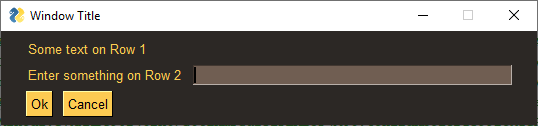
Makes This Window
and returns the value input as well as the button clicked.
Any Questions? It's that simple.
Looking for a GUI package? Are you....
- looking to take your Python code from the world of command lines and into the convenience of a GUI?
- sitting on a Raspberry Pi with a touchscreen that's going to waste because you don't have the time to learn a GUI SDK?
- into Machine Learning and are sick of the command line?
- an IT guy/gal that has written some cool tools but due to corporate policies are unable to share unless an EXE file?
- want to share your program with your friends or families (that aren't so freakish that they have Python running)
- wanting to run a program in your system tray?
- a teacher wanting to teach your students how to program using a GUI?
- a student that wants to put a GUI onto your project that will blow away your teacher?
- looking for a GUI package that is "supported" and is being constantly developed to improve it?
- longing for documentation and scores of examples?
Look no further, you've found your GUI package.
The basics
- Create windows that look and operate identically to those created directly with tkinter, Qt, WxPython, and Remi.
- Requires 1/2 to 1/10th the amount of code as underlying frameworks.
- One afternoon is all that is required to learn the PySimpleGUI package and write your first custom GUI.
- Students can begin using within their first week of Python education.
- No callback functions. You do not need to write the word anywhere in your code.
- Access to nearly every underlying GUI Framework's Widgets.
- Supports both Python 2.7 & 3 when using tkinter
- Supports both PySide2 and PyQt5 (limited support)
- Effortlessly move across tkinter, Qt, WxPython, and the Web (Remi) by changing only the import statement
- The only way to write both desktop and web based GUIs at the same time in Python
- Developed from nothing as a pure Python implementation with Python friendly interfaces.
- Run your program in the System Tray using WxPython. Or, change the import and run it on Qt with no other changes.
- Works with Qt Designer
- Built in Debugger
- Actively maintained and enhanced - 4 ports are underway, all being used by users.
- Corporate as well as home users.
- Appealing to both newcomers to Python and experienced Pythonistas.
- The focus is entirely on the developer (you) and making their life easier, simplified, and in control.
- 170+ Demo Programs teach you how to integrate with many popular packages like OpenCV, Matplotlib, PyGame, etc.
- 200 pages of documentation, a Cookbook, built-in help using docstrings, in short it's heavily documented
GUI Development does not have to be difficult nor painful. It can be (and is) FUN
What users are saying about PySimpleGUI
(None of these comments were solicited & are not paid endorsements - other than a huge thank you they received!)
"I've been working to learn PyQT for the past week in my off time as an intro to GUI design and how to apply it to my existing scripts... Took me ~30 minutes to figure out PySimpleGUI and get my scripts working with a GUI."
"Python has been an absolute nightmare for me and I've avoided it like the plague. Until I saw PySimpleGUI."
"I've been pretty amazed at how much more intuitive it is than raw tk/qt. The dude developing it is super active on the project too so if you come across situations that you just can't get the code to do what you want you can make bug/enhancement issues that are almost assured to get a meaningful response."
"This library is the easiest way of GUI programming in python! I'm totally in love with it"
"Wow that readme is extensive and great." (hear the love for docs often)
"Coming from R, Python is absolutely slick for GUIs. PySimpleGUI is a dream."
"I have been writing Python programs for about 4 or 5 months now. Up until this week I never had luck with any UI libraries like Tkinter, Qt, Kivy. I went from not even being able to load a window in Tkinter reliably to making a loading screen, and full program in one night with PySimpleGUI."
"I love PySimpleGUI! I've been teaching it in my Python classes instead of Tkinter."
"I wish PySimpleGUI was available for every friggin programming language"
START HERE - User Manual with Table of Contents
ReadTheDocs <------ THE best place to read the docs due to TOC, all docs in 1 place, and better formatting. START here in your education. Easy to remember PySimpleGUI.org.
The Call Reference documentation is located on the same ReadTheDocs page as the main documentation, but it's on another tab that you'll find across the top of the page.
The quick way to remember the documentation addresses is to use these addresses:
http://docs.PySimpleGUI.org http://calls.PySimpleGUI.org
Quick Links To Help and The Latest News and Releases
Homepage - Lastest Readme and Code - GitHub Easy to remember: PySimpleGUI.com
Announcements of Latest Developments, Release news, Misc
COOKBOOK!
Trinket an online Cookbook
Brief Tutorial
Latest Demos and Master Branch on GitHub
Repl.it Home for PySimpleGUI
Lots of screenshots
How to submit an Issue
The YouTube videos - If you like instructional videos, there are over 15 videos made by PySimpleGUI project over the first 18 months. In 2020 a new series was begun. As of May 2020 there are 12 videos completed so far with many more to go.... - PySimpleGUI 2020 - The most up to date information about PySimpleGUI - 5 part series of basics - 10 part series of more detail - The Naked Truth (An update on the technology) - There are numerous short videos also on that channel that demonstrate PySimpleGUI being used
YouTube Videos made by others. These have much higher production values than the above videos.
This User's Manual (also the project's readme) is one vital part of the PySimpleGUI programming environment. The best place to read it is at http://www.PySimpleGUI.org
If you are a professional or skilled in how to develop software, then you understand the role of documentation in the world of technology development. Use it, please.
It WILL be required, at times, for you to read or search this document in order to be successful.
Using Stack Overflow and other sites to post your questions has resulted in advice given by a lot of users that have never looked at the package and are sometimes just flat bad advice. When possible, post an Issue on this GitHub. Definitely go through the Issue checklist. Take a look through the docs, again.
There are 5 resources that work together to provide to you the fastest path to success. They are:
- This User's Manual
- The Cookbook
- The 170+ Demo Programs
- Docstrings enable you to access help directly from Python or your IDE
- Searching the GitHub Issues as a last resort (search both open and closed issues)
Pace yourself. The initial progress is exciting and FAST PACED. However, GUIs take time and thought to build. Take a deep breath and use the provided materials and you'll do fine. Don't skip the design phase of your GUI after you run some demos and get the hang of things. If you've tried other GUI frameworks before, successful or not, then you know you're already way ahead of the game using PySimpleGUI versus the underlying GUI frameworks. It may feel like the 3 days you've been working on your code has been forever, but by comparison of 3 days learning Qt, PySimpleGUI will look trivial to learn.
It is not by accident that this section, about documentation, is at the TOP of this document.
This documentation is not HUGE in length for a package this size. In fact it's still one document and it's the readme for the GitHub. It's not written in complex English. It is understandable by complete beginners. And pressing is all you need to do to search this document. USUALLY you'll find less than 6 matches.
Documentation and Demos Get Out of Date
Sometimes the documentation doesn't match exactly the version of the code you're running. Sometimes demo programs haven't been updated to match a change made to the SDK. Things don't happen simultaneously generally speaking. So, it may very well be that you find an error or inconsistency or something no longer works with the latest version of an external library.
If you've found one of these problems, and you've searched to make sure it's not a simple mistake on your part, then by ALL means log an Issue on the GitHub. Don't be afraid to report problems if you've taken the simple steps of checking out the docs first.
Hardware and OS Support
PySimpleGUI runs on Windows, Linux and Mac, just like tkinter, Qt, WxPython and Remi do. If you can get the underlying GUI Framework installed / running on your machine then PySimpleGUI will also run there.
Hardware
- PC's, Desktop, Laptops
- Macs of all types
- Raspberry Pi
- Android devices like phones and tablets
- Virtual machine online (no hardware) - repl.it
OS
- Windows 7, 8, 10
- Linux on PC - Tested on several distributions
- Linux on Raspberry Pi
- Linux on Android - Can use either Termux or PyDroid3
- Mac OS
Python versions
As of 9/25/2018 both Python 3 and Python 2.7 are supported when using tkinter version of PySimpleGUI! The Python 3 version is named . The Python 2.7 version is . They are installed separately and the imports are different. See instructions in Installation section for more info. None of the other ports can use Python 2.
Python 2.7 Code will be deleted from this GitHub on Dec 31, 2019
Note that the 2.7 port will cease to exist on this GitHub on Jan 1, 2020. If you would like to know how much time you have to move over to the Python 3 version of PySimpleGUI, then go here: https://pythonclock.org/. The only thing that will be available is an unsupported PyPI release of PySimpleGUI27.
By "will cease to exist on this GitHub" I mean, it will be deleted entirely. No source code, no supporting programs. Nothing. If you're stuck using 2.7 in December, it would behoove you to fork the 2.7 code on Dec 31, 2019. Legacy Python doesn't have a permanent home here. It sounds cruel, but experts in security particularly says 2.7 is a huge risk. Furthering it use only hurts the computing world.
Warning - tkinter + Python 3.7.3 and later, including 3.8 has problems
The version of tkinter that is being supplied with the 3.7.3 and later versions of Python is known to have a problem with table colors. Basically, they don't work. As a result, if you want to use the plain PySimpleGUI running on tkinter, you should be using 3.7.2 or less. 3.6 is the version PySimpleGUI has chosen as the recommended version for most users.
Output Devices
In addition to running as a desktop GUI, you can also run your GUI in a web browser by running PySimpleGUIWeb.
This is ideal for "headless" setups like a Raspberry Pi that is at the core of a robot or other design that does not have a normal display screen. For these devices, run a PySimpleGUIWeb program that never exits.
Then connect to your application by going to the Pi's IP address (and port #) using a browser and you'll be in communication with your application. You can use it to make configuration changes or even control a robot or other piece of hardware using buttons in your GUI
A Complete PySimpleGUI Program (Getting The Gist)
Before diving into details, here's a description of what PySimpleGUI is/does and why that is so powerful.
You keep hearing "custom window" in this document because that's what you're making and using... your own custom windows.
ELEMENTS is a word you'll see everywhere... in the code, documentation, ... Elements == PySimpleGUI's Widgets. As to not confuse a tkinter Button Widget with a PySimpleGUI Button Element, it was decided that PySimpleGUI's Widgets will be called Elements to avoid confusion.
Wouldn't it be nice if a GUI with 3 "rows" of Elements was defined in 3 lines of code? That's exactly how it's done. Each row of Elements is a list. Put all those lists together and you've got a window.
What about handling button clicks and stuff. That's 4 lines of the code below beginning with the while loop.
Now look at the variable and then look at the window graphic below. Defining a window is taking a design you can see visually and then visually creating it in code. One row of Elements = 1 line of code (can span more if your window is crowded). The window is exactly what we see in the code. A line of text, a line of text and an input area, and finally ok and cancel buttons.
This makes the coding process extremely quick and the amount of code very small
You gotta admit that the code above is a lot more "fun" looking that tkinter code you've studied before. Adding stuff to your GUI is trivial. You can clearly see the "mapping" of those 3 lines of code to specific Elements laid out in a Window. It's not a trick. It's how easy it is to code in PySimpleGUI. With this simple concept comes the ability to create any window layout you wish. There are parameters to move elements around inside the window should you need more control.
It's a thrill to complete your GUI project way ahead of what you estimated. Some people take that extra time to polish their GUI to make it even nicer, adding more bells and whistles because it's so easy and it's a lot of fun to see success after success as you write your program.
Some are more advanced users and push the boundaries out and extend PySimpleGUI using their own extensions.
Others, like IT people and hackers are busily cranking out GUI program after GUI program, and creating tools that others can use. Finally there's an easy way to throw a GUI onto your program and give it to someone. It's a pretty big leap in capability for some people. It's GREAT to hear these successes. It's motivating for everyone in the end. Your success can easily motivate the next person to give it a try and also potentially be successful.
Usually there's a one to one mapping of a PySimpleGUI Element to a GUI Widget. A "Text Element" in PySimpleGUI == "Label Widget" in tkinter. What remains constant for you across all PySimpleGUI platforms is that no matter what the underlying GUI framework calls the thing that places text in your window, you'll always use the PySimpleGUI Text Element to access it.
The final bit of magic is in how Elements are created and changed.
So far you've seen simply layouts with no customization of the Elements. Customizing and configuring Elements is another place PySimpleGUI utilizes the Python language to make your life easier.
What about Elements that have settings other than the standard system settings? What if I want my Text to be blue, with a Courier font on a green background. It's written quite simply:
The Python named parameters are extensively in PySimpleGUI. They are key in making the code compact, readable, and trivial to write.
As you'll learn in later sections that discuss the parameters to the Elements, there are a LOT of options available to you should you choose to use them. The has 15 parameters that you can change. This is one reason why PyCharm is suggested as your IDE... it does a fantastic job of displaying documentation as you type in your code.
That's TheBasics
What do you think? Easier so far than your previous run-ins with GUIs in Python? Some programs, many in fact, are as simple as this example has been.
But PySimpleGUI certainly does not end here. This is the beginning. The scaffolding you'll build upon.
The Underlying GUI Frameworks & Status of Each
At the moment there are 4 actively developed and maintained "ports" of PySimpleGUI. These include:
- tkinter - Fully complete
- Qt using Pyside2 - Alpha stage. Not all features for all Elements are done
- WxPython - Development stage, pre-releaser. Not all Elements are done. Some known problems with multiple windows
- Remi (Web browser support) - Development stage, pre-release.
While PySimpleGUI, the tkinter port, is the only 100% completed version of PySimpleGUI, the other 3 ports have a LOT of functionality in them and are in active use by a large portion of the installations. You can see the number of Pip installs at the very top of this document to get a comparison as to the size of the install base for each port. The "badges" are right after the logo.
What's The Big Deal? What is it?
PySimpleGUI wraps tkinter, Qt, WxPython and Remi so that you get all the same widgets, but you interact with them in a more friendly way that's common across the ports.
What does a wrapper do (Yo! PSG in the house!)? It does the layout, boilerplate code, creates and manages the GUI Widgets for you and presents you with a simple, efficient interface. Most importantly, it maps the Widgets in tkinter/Qt/Wx/Remi into PySimpleGUI Elements. Finally, it replaces the GUIs' event loop with one of our own.
You've seen examples of the code already. The big deal of all this is that anyone can create a GUI simply and quickly that matches GUIs written in the native GUI framework. You can create complex layouts with complex element interactions. And, that code you wrote to run on tkinter will also run on Qt by changing your import statement.
If you want a deeper explanation about the architecture of PySimpleGUI, you'll find it on ReadTheDocs in the same document as the Readme & Cookbook. There is a tab at the top with labels for each document.
The "Ports"
There are distinct ports happening as mentioned above. Each have their own location on GitHub under the main project. They have their own Readme with is an augmentation of this document... they are meant to be used together.
PySimpleGUI is released on PyPI as 5 distinct packages. 1. PySimpleGUI - tkinter version 2. PySimpleGUI27 - tkinter version that runs on 2.7 3. PySimpleGUIWx - WxPython version 4. PySimpleGUIQt - PySided2 version 5. PySimpleGUIWeb - The web (Remi) version
You will need to install them separately
There is also an accompanying debugger known as . If you are running the tkinter version of PySimpleGUI, you will not need to install the debugger as there is a version embedded directly into PySimpleGUI.
Qt Version
Qt was the second port after tkinter. It is the 2nd most complete with the original PySimpleGUI (tkinter) being the most complete and is likely to continue to be the front-runner. All of the Elements are available on PySimpleGUIQt.
As mentioned previously each port has an area. For Qt, you can learn more on the PySimpleGUIQt GitHub site. There is a separate Readme file for the Qt version that you'll find there. This is true for all of the PySimpleGUI ports.
Give it a shot if you're looking for something a bit more "modern". PySimpleGUIQt is currently in Alpha. All of the widgets are operational but some may not yet be full-featured. If one is missing and your project needs it, log an Issue. It's how new features are born.
Here is a summary of the Qt Elements with no real effort spent on design clearly. It's an example of the "test harness" that is a part of each port. If you run the PySimpleGUI.py file itself then you'll see one of these tests.
As you can see, you've got a full array of GUI Elements to work with. All the standard ones are there in a single window. So don't be fooled into thinking PySimpleGUIQt is barely working or doesn't have many widgets to choose from. You even get TWO "Bonus Elements" - and
WxPython Version
PySimpleGUIWx GitHub site. There is a separate Readme file for the WxPython version.
Started in late December 2018 PySimpleGUIWx started with the SystemTray Icon feature. This enabled the package to have one fully functioning feature that can be used along with tkinter to provide a complete program. The System Tray feature is complete and working very well. It was used not long ago in a corporate setting and has been performing with few problems reported.
The Windowing code was coming together with Reads operational. The elements were getting completed on a regular basis. But I ran into multiwindow problems. And it was at about this time that Remi was suggested as a port.
Remi (the "web port") overnight leapt the WxPython effort and Web became a #1 priority and continues to be. The thought is that the desktop was well represented with PySimpleGUI, PySimpleGUIQt, and PySimpleGUIWx. Between those ports is a solid windowing system and 2 system tray implementations and a nearly feature complete Qt effort. So, the team was switched over to PySimpleGUIWeb.
Web Version (Remi)
PySimpleGUIWeb GitHub site. There is a separate Readme file for the Web version.
New for 2019, PySimpleGUIWeb. This is an exciting development! PySimpleGUI in your Web Browser!
The underlying framework supplying the web capability is the Python package Remi. https://github.com/dddomodossola/remi Remi provides the widgets as well as a web server for you to connect to. It's an exiting new platform to be running on and has temporarily bumped the WxPython port from the highest priority. PySimpleGUIWeb is the current high priority project.
Use this solution for your Pi projects that don't have anything connected in terms of input devices or display. Run your Pi in "headless" mode and then access it via the Web interface. This allows you to easily access and make changes to your Pi without having to hook up anything to it.
*It's not meant to "serve up web pages"*
PySimpleGUIWeb is first and foremost a GUI, a program's front-end. It is designed to have a single user connect and interact with the GUI.
If more than 1 person connects at a time, then both users will see the exact same stuff and will be interacting with the program as if a single user was using it.
Android Version
PySimpleGUI runs on Android devices with the help of either the PyDroid3 app or the Termux app. Both are capable of running tkinter programs which means both are capable of running PySimpleGUI.
To use with PyDroid3 you will need to add this import to the top of all of your PySimpleGUI program files:
This evidently triggers PyDroid3 that the application is going to need to use the GUI.
You will also want to create your windows with the parameter set to .
Here's a quick demo that uses OpenCV2 to display your webcam in a window that runs on PyDroid3:
You will need to pip install opencv-python as well as PySimpleGUI to run this program.
Also, you must be using the Premium, yes paid, version of PyDroid3 in order to run OpenCV. The cost is CHEAP when compared to the rest of things in life. A movie ticket will cost you more. Which is more fun, seeing your Python program running on your phone and using your phone's camera, or some random movie currently playing? From experience, the Python choice is a winner. If you're cheap, well, then you won't get to use OpenCV. No, there is no secret commercial pact between the PySimpleGUI project and the PyDroid3 app team.
Source code compatibility
In theory, your source code is completely portable from one platform to another by simply changing the import statement. That's the GOAL and surprisingly many times this 1-line change works. Seeing your code run on tkinter, then change the import to and instead of a tkinter window, up pops your default browser with your window running on it is an incredible feeling.
But, caution is advised. As you've read already, some ports are further along than others. That means when you move from one port to another, some features may not work. There also may be some alignment tweaks if you have an application that precisely aligns Elements.
What does this mean, assuming it works? It means it takes a trivial amount of effort to move across GUI Frameworks. Don't like the way your GUI looks on tkinter? No problem, change over to try PySimpleGUIQt. Made a nice desktop app but want to bring it to the web too? Again, no problem, use PySimpleGUIWeb.
repl.it Version
Want to really get your mind blown? Check out this PySimpleGUI program running in your web browser.
Thanks to the magic of repl.it and Remi it's possible to run PySimpleGUI code in a browser window without having Python running on your computer. This should be viewed as a teaching and demonstration aid. It is not meant to be a way of serving up web pages. It wouldn't work any way as each user forks and gets their own, completely different, workspace.
There are 2 ports of PySimpleGUI that run on repl.it - PySimpleGUI and PySimpleGUIWeb.
PySimpleGUI (tkinter based)
The primary PySimpleGUI port works very well on repl.it due to the fact they've done an outstanding job getting tkinter to run on these virtual machines. Creating a program from scratch, you will want to choose the "Python with tkinter" project type.
The virtual screen size for the rendered windows isn't very large, so be mindful of your window's size or else you may end up with buttons you can't get to.
You may have to "install" the PySimpleGUI package for your project. If it doesn't automatically install it for you, then click on the cube along the left edge of the browser window and then type in PySimpleGUI or PySimpleGUIWeb depending on which you're using.
PySimpleGUIWeb (Remi based)
For PySimpleGUIWeb programs you run using repl.it will automatically download and install the latest PySimpleGUIWeb from PyPI onto a virtual Python environment. All that is required is to type you'll have a Python environment up and running with the latest PyPI release of PySimpleGUIWeb.
Creating a repl.it project from scratch / troubleshooting
To create your own repl.it PySimpleGUI project from scratch, first choose the type of Python virtual machine you want. For PySimpleGUI programs, choose the "Python with tkinter" project type. For PySimpleGUIWeb, choose the normal Python project.
There have been times where repl.it didn't do the auto import thing. If that doesn't work for some reason, you can install packages by clicking on the package button on the left side of the interface, typing in the package name (PySimpleGUI or PySimpleGUIWeb) and install it.
Why this is so cool (listen up Teachers, tutorial writers)
Educators in particular should be interested. Students can not only post their homework easily for their teacher to access, but teachers can also run the students programs online. No downloading needed. Run it and check the results.
For people wanting to share their code, especially when helping someone with a problem, it's a great place to do it. Those wishing to see your work do not have to be running Python nor have PySimpleGUI installed.
The way I use it is to first write my PySimpleGUI code on Windows, then copy and paste it into Repl.it.
Finally, you can embed these Repl.it windows into web pages, forum posts, etc. The "Share" button is capable of giving you the block of code for an "iframe" that will render into a working repl.it program in your page. It's amazing to see, but it can be slow to load.
Repl.it is NOT a web server for you to "deploy" applications!
Repl.it is not meant to serve up applications and web pages. Trying to use it that way will not result in satisfactory results. It's simply too slow and too technical of an interface for trying to "deploy" using it. PySimpleGUIWeb isn't a great choice in serving web pages. It's purpose is more to build a GUI that runs in a browser.
Macs
It's surprising that Python GUI code is completely cross platform from Windows to Mac to Linux. No source code changes. This is true for both PySimpleGUI and PySimpleGUIQt.
Historically, PySimpleGUI using tkinter have struggled on Macs. This was because of a problem setting button colors on the Mac. However, two events has turned this problem around entirely.
- Use of ttk Buttons for Macs
- Ability for Mac users to install Python from python.org rather than the Homebrew version with button problems
It's been a long road for Mac users with many deciding to use PySimpleGUIQt so that multi-colored windows could be made. It's completely understandable to want to make attractive windows that utilize colors.
PySimpleGUI now supports Macs, Linux, and Windows equally well. They all are able to use the "Themes" that automatically add color to your windows.
Be aware that Macs default to using ttk buttons. You can override this setting at the Window and Button levels. If you installed Python from python.org, then it's likely you can use the non-ttk buttons should you wish.
Don't Suffer Silently
The GitHub Issues are checked often. Very often. Please post your questions and problems there and there only. Please don't post on Reddit, Stackoverflow, on forums, until you've tried posting on the GitHub.
Why? It will get you the best support possible. Second, you'll be helping the project as what you're experiencing might very well be a bug, or even a known bug. Why spend hours thrashing, fighting against a known bug?
It's not a super-buggy package, but users do experience problems just the same. Maybe something's not explained well enough in the docs. Maybe you're making a common mistake. Maybe that feature isn't complete yet.
You won't look stupid posting an Issue on GitHub. It's just the opposite.
How to log issues
PySimpleGUI is an active project. Bugs are fixed, features are added, often. Should you run into trouble, open an issue on the GitHub site and you'll receive help. Posting questions on StackOverflow, Forums, Mailing lists, Reddit, etc, is not the fastest path to support and taking it may very well lead you astray as folks not familiar with the package struggle to help you. You may also run into the common response of "I don't know PySimpleGUI (and perhaps dislike it as a result), but I know you can do that with Qt".
Why only 1 location? It's simple.... it's where the bugs, enhancements, etc are tracked. It's THE spot on the Internet for this project. There's not driven by a freakish being in control, telling people how to do things, reasoning. It's so that YOU get the best and quickest support possible.
So, open an Issue, choose "custom form" and fill it out completely. There are very good reasons behind all of the questions. Cutting corners only cuts your chances of getting help and getting quality help as it's difficult enough to debug remotely. Don't handicap people that want to help by not providing enough information.
Be sure and run your program outside of your IDE*first***. Start your program from the shell using or command. On numerous occasions much time was spent chasing problems caused by the IDE. By running from a command line, you take that whole question out of the problem, an important step.
Don't sit and stew, trying the same thing over and over, until you hate life... stop, and post an Issue on the GitHub. Someone WILL answer you. Support is included in the purchase price for this package (the quality level matches the price as well I'm afraid). Just don't be too upset when your free support turns out to be a little bit crappy, but it's free and typically good advice.
Target Audience
PySimpleGUI is trying to serve the 80% of GUI problems. The other 20% go straight to tkinter, Qt, WxPython, Remi, or whatever fills that need. That 80% is a huge problem space.
The "Simple" of PySimpleGUI describes how easy it is to use, not the nature of the problem space it solves. Note that people are not part of that description. It's not trying to solve GUI problems for 80% of the people trying it. PySimpleGUI tries to solve 80% of GUI problems, regardless of the programmer's experience level.
Is file I/O in Python limited to only certain people? Is starting a thread, building a multi-threaded Python program incredibly difficult such that it takes a year to learn? No. It's quite easy. Like most things Python, you import the object from package and you use it. It is 2 lines of Python code to create and start a thread.
Why can't it be 2 lines of code to show a GUI window? What's SO special about the Python GUI libraries that they require you to follow a specific Object Oriented model of development? Other parts and packages of Python don't tend to do that.
The reason is because they didn't originate in Python. They are strangers in a strange land and they had to be "adapted". They started as C++ programs / SDKs, and remain that way too. There's a vaneer of Python slapped onto the top of them, but that sure didn't make them fit the language as well as they could have.
PySimpleGUI is designed with both the beginner and the experienced developer in mind. Why? Because both tend to like compact code. Most like people, we just want to get sh*t done, right? And, why not do it in a way that's like how most of Python works?
The beginners can begin working with GUIs in their first week of Python education. The professionals can jump right into the deep end of the pool to use the entire array of Elements and their capabilities to build stuff like a database application.
Here's a good example of how PySimpleGUI serves these 2 groups.... the Element has 16 potential parameters, yet you'll find 0 or 1 parameters set by beginners. Look at the examples throughout this document and you'll see the code fragments utilize a tiny fraction of the potential parameters / settings. Simple... keep it simple for the default case. This is part of the PySimpleGUI mission.
Some developers are heavily wedded to the existing GUI Framework Architectures (Qt, WxPython, tkinter). They like the existing GUI architectures (they're all roughly the same, except this one). If you're in that crowd, join the "20% Club" just down the street. There's plenty of room there with plenty of possible solutions.
But how about a quick stop-in for some open mindedness exercises. Maybe you will come up with an interesting suggestion even if you don't use it. Or maybe PySimpleGUI does something that inspires you to write something similar directly in Qt. And please, at least be civil about it. There is room for multiple architectures. Remember, you will not be harmed by writing some PySimpleGUI code just like you won't by writing some tkinter or Qt code. Your chances of feeling harmed is more likely from one of those 2.
Beginners & Easier Programs
There are a couple of reasons beginners stop in for a look. The first is to simply throw a simple GUI onto the front of an existing command line application. Or maybe you need to popup a box to get a filename. These can often be simple 1-line calls. Of course, you don't have to be a beginner to add a GUI onto one of your existing command line programs. Don't feel like because you're an advanced programmer, you need to have an advanced solution.
If you have a more intricate, complete, perhaps multi-window design in mind, then PySimpleGUI still could be your best choice.
This package is not only great to use as your first GUI package, but it also teaches how to design and utilize a GUI. It does it better than the existing GUIs by removing the syntax, and lengthy code that can take an otherwise very simple appearing program into something that's completely unrecognizable. With PySimpleGUI your 'layout' is all you need to examine to see the different GUI Elements that are being used.
Why does PySimpleGUI make it any easier to learn about GUIs? Because it removes the classes, callback functions, object oriented design to better get out of your way and let you focus entirely on your GUI and not how to represent it in code.
The result is 1/2 to 1/10th the amount of code that implements the exact same layout and widgets as you would get from coding yourself directly in Qt5. It's been tested many times... again and again, PySimpleGUI produces significantly less code than Qt and the frameworks it runs on.
Forget syntax completely and just look on the overall activities of a PySimpleGUI programmer. You have to design your window.... determine your inputs and your outputs, place buttons in strategic places, create menus, .... You'll be busy just doing all those things to design and define your GUI completely independent upon the underlying framework.
After you get all those design things done and are ready to build your GUI, it's then that you face the task of learning a GUI SDK. Why not start with the easy one that gives you many successes? You're JUST getting started, so cut yourself a break and use PySimpleGUI so that you can quickly get the job done and move on to the next GUI challenge.
Advanced Programmers, Sharp Old-Timers, Code Slingers and Code Jockeys
It's not perfect, but PySimpleGUI is an amazing bit of technology. It's the programmer, the computer scientist, that has experience working with GUIs in the past that will recognize the power of this simple architecture.
What I hear from seasoned professionals is that PySimpleGUI saves them a ton of time. They've written GUI code before. They know how to lay out a window. These folks just want to get their window working and quick.
With the help of IDE's like PyCharm, Visual Studio and Wing (the officially supported IDE list) you get instant documentation on the calls you are making. On PyCharm you instantly see both the call signature but also the explanations about each parameter.
If the screenshots, demo programs and documentation don't convince you to at least give it a try, once, then you're way too busy, or ..... I dunno, I stopped guessing "why?" some time ago.
Some of the most reluctant of people to try PySimpleGUI have turned out to be some of the biggest supporters.
A Moment of Thanks To The PySimpleGUI Users
I want to thank the early users of PySimpleGUI that started in 2018. Your suggestions helped shape the package and have kept it moving forward at a fast pace.
For all the users, while I can't tell you the count of the number of times someone has said "thank you for PySimpleGUI" as part of logging and Issue, or a private message or email, but I can tell you that it's been significant.
EVERY one of those "thank you" phrases, no matter how small you may think it is, helps tremendously.
Sometimes it's what gets me past a problem or gets me to write yet more documentation to try and help people understand quicker and better. Let's just say the effect is always positive and often significant.
PySimpleGUI users have been super-nice. I doubt all Open Source Projects are this way, but I could be wrong and every GitHub repository has awesome users. If so, that's even more awesome!
THANK YOU PySimpleGUI USERS!
This document.... you must be willing to read this document if you expect to learn and use PySimpleGUI.
If you're unwilling to even try to figure out how to do something or find a solution to a problem and have determined it's "easier to post a question first than to look at the docs", then this is not the GUI package for you. If you're unwilling to help yourself, then don't expect someone else to try first. You need to hold up your end of the bargain by at least doing some searches of this document.
While PySimpleGUI enables you to write code easily, it doesn't mean that it magically fills your head with knowledge on how to use it. The built-in docstrings help, but they can only go so far.
Searching this document is as easy as pressing Control + F.
This document is on the GitHub homepage, as the readme. http://www.PySimpleGUI.com will get you there. If you prefer a version with a Table of Contents on the left edge then you want to go to http://www.PySimpleGUI.org .
The PySimpleGUI, Developer-Centric Model
You may think that you're being fed a line about all these claims that PySimpleGUI is built specifically to make your life easier and a lot more fun than the alternatives.... especially after reading the bit above about reading this manual.
Psychological Warfare
Brainwashed. Know that there is an active campaign to get you to be successful using PySimpleGUI. The "Hook" to draw you in and keep you working on your program until you're satisfied is to work on the dopamine in your brain. Yes, your a PySimpleGUI rat, pressing on that bar that drops a food pellet reward in the form of a working program.
The way this works is to give you success after success, with very short intervals between. For this to work, what you're doing must work. The code you run must work. Make small changes to your program and run it over and over and over instead of trying to do one big massive set of changes. Turn one knob at a time and you'll be fine.
Find the keyboard shortcut for your IDE to run the currently shown program so that running the code requires 1 keystroke. On PyCharm, the key to run what you see is Control + Shift + F10. That's a lot to hold down at once. I programmed a hotkey on my keyboard so that it emits that combination of keys when I press it. Result is a single button to run.
Tools
These tools were created to help you achieve a steady stream of these little successes.
- This readme and its example pieces of code
- The Cookbook - Copy, paste, run, success
- Demo Programs - Copy these small programs to give yourself an instant headstart
- Documentation shown in your IDE (docstrings) means you do not need to open any document to get the full assortment of options available to you for each Element & function call
The initial "get up and running" portion of PySimpleGUI should take you less than 5 minutes. The goal is 5 minutes from your decision "I'll give it a try" to having your first window up on the screen "Oh wow, it was that easy?!"
The primary learning paths for PySimpleGUI are:
- This readme document over 100 pages of PySimpleGUI User Manual
- http://www.PySimpleGUI.org
- The Cookbook - Recipes to get you going and quick
- http://Cookbook.PySimpleGUI.org
- The Demo Programs - Start hacking on one of these running solutions
- http://www.PySimpleGUI.com
- The YouTube videos - If you like instructional videos, there are 15+ videos
Everything is geared towards giving you a "quick start" whether that be a Recipe or a Demo Program. The idea is to give you something running and let you hack away at it. As a developer this saves tremendous amounts of time.
You start with a working program, a GUI on the screen. Then have at it. If you break something ( as Bob Ross put it), then you can always backtrack a little to a known working point.
A high percentage of users report both learning PySimpleGUI and completing their project in a single day.
This isn't a rare event and it's not bragging. GUI programming doesn't HAVE to be difficult by definition and PySimpleGUI has certainly made it much much more approachable and easier (not to mention simpler).
But, you need to look at this document when pushing into new, unknown territory. Don't guess... or more specifically, don't guess and then give up when it doesn't work.
This Readme and Cookbook
The readme and Cookbook, etc are best viewed on ReadTheDocs. The quickest way there is to visit: http://www.PySimpleGUI.org
You will be auto-forwarded to the right destination. There are multiple tabs on ReadTheDocs. One for the main readme and one for the Cookbook. There are other documents there like an architectural design doc.
The Cookbook has approx 27 "Recipes" or short programs that can be easily copied and pasted.
Demo Programs
The GitHub repo has the Demo Programs. There are ones built for plain PySimpleGUI that are usually portable to other versions of PySimpleGUI. And there are some that are associated with one of the other ports. The easiest way to the GitHub:
http://www.PySimpleGUI.com
As of this writing, on 2019-07-10 there are 177 Demo Programs for you to choose from.
These programs demonstrate to you how to use the Elements and especially how to integrate PySimpleGUI with some of the popular open source technologies such as OpenCV, PyGame, PyPlot, and Matplotlib to name a few.
Many Demo Programs that are in the main folder will run on multiple ports of PySimpleGUI. There are also port-specific Demo Programs. You'll find those in the folder with the port. So, Qt specific Demo Programs are in the PySimpleGUIQt folder.
Let's take a super-brief tour around PySimpleGUI before digging into the details. There are 2 levels of windowing support in PySimpleGUI - High Level and Customized.
The high-level calls are those that perform a lot of work for you. These are not custom made windows (those are the other way of interacting with PySimpleGUI).
Let's use one of these high level calls, the and use it to create our first window, the obligatory "Hello World". It's a single line of code. You can use these calls like print statements, adding as many parameters and types as you desire.
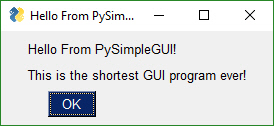
Or how about a custom GUI in 1 line of code? No kidding this is a valid program and it uses Elements and produce the same Widgets like you normally would in a tkinter program. It's just been compacted together is all, strictly for demonstration purposes as there's no need to go that extreme in compactness, unless you have a reason to and then you can be thankful it's possible to do.
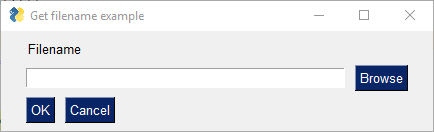
The Beauty of Simplicity
One day I will find the right words, and they will be simple. ― Jack Kerouac
That's nice that you can crunch things into 1 line, like in the above example, but it's not readable. Let's add some whitespace so you can see the beauty of the PySimpleGUI code.
Take a moment and look at the code below. Can you "see" the window looking at the variable, knowing that each line of code represents a single row of Elements? There are 3 "rows" of Elements shown in the window and there are 3 lines of code that define it.
Creating and reading the user's inputs for the window occupy the last 2 lines of code, one to create the window, the last line shows the window to the user and gets the input values (what button they clicked, what was input in the Input Element)
Unlike other GUI SDKs, you can likely understand every line of code you just read, even though you have not yet read a single instructional line from this document about how you write Elements in a layout.
There are no pesky classes you are required to write, no callback functions to worry about. None of that is required to show a window with some text, an input area and 2 buttons using PySimpleGUI.
The same code, in tkinter, is 5 times longer and I'm guessing you won't be able to just read it and understand it. While you were reading through the code, did you notice there are no comments, yet you still were able to understand, using intuition alone.
You will find this theme of Simple everywhere in and around PySimpleGUI. It's a way of thinking as well as an architecture direction. Remember, you, Mr./Ms. Developer, are at the center of the package. So, from your vantage point, of course everything should look and feel simple.
Not only that, it's the Pythonic thing to do. Have a look at line 3 of the "Zen of Python".
The Zen of Python, by Tim Peters
Beautiful is better than ugly. Explicit is better than implicit. Simple is better than complex. Complex is better than complicated. Flat is better than nested. Sparse is better than dense. Readability counts. Special cases aren't special enough to break the rules. Although practicality beats purity. Errors should never pass silently. Unless explicitly silenced. In the face of ambiguity, refuse the temptation to guess. There should be one-- and preferably only one --obvious way to do it. Although that way may not be obvious at first unless you're Dutch. Now is better than never. Although never is often better than right now. If the implementation is hard to explain, it's a bad idea. If the implementation is easy to explain, it may be a good idea. Namespaces are one honking great idea -- let's do more of those!
I just hope reading all these pages of documentation is going to make you believe that we're breaking suggestion:
If the implementation is hard to explain, it's a bad idea. If the implementation is easy to explain, it may be a good idea.
I don't think PySimpleGUI is difficult to explain, but I am striving to fully explain it so that you don't do this:
In the face of ambiguity, refuse the temptation to guess.
Sometimes you can guess and be fine. Other times, things may work, but the side effects are potentially significant. There may be a much better way to solve a problem - Log an Issue on GitHub!
Polishing Your Windows = Building "Beautiful Windows"
And STILL the Zen of Python fits:
Beautiful is better than ugly.
but this fits too:
Although practicality beats purity.
Find a balance that works for you.
"But tkinter sucks" "It looks like the 1990s" (this one is often said by people that were not alive in the 1990s) "What Python GUI SDK will make my window look beautiful?" (posted to Reddit at least every 2 weeks)
These windows below were ALL made using PySimpleGUI, the tkinter version and they look good enough to not be simply scoffed at and dismissed. Remember, developer, you have a rather significant hand in how your application looks and operates. You certainly cannot pin it all on the GUIs you're using.
So many posts on Reddit asking which GUI is going to result in a "beautiful window", as if there's a magic GUI library that pretties things up for you. There are some calls in PySimpleGUI that will help you. For example, you can make a single call to "Chang the look and feel" which loads predefined color pallets so your windows can have some instant color and it matches.
Beautiful windows are created, not simply given to you. There are people that design and create artwork for user interfaces, you know that right? Artists draw buttons, artwork that you include in the window to make it nicer.
Some of these have been "polished", others like the Matplotlib example is more a functional example to show you it works.
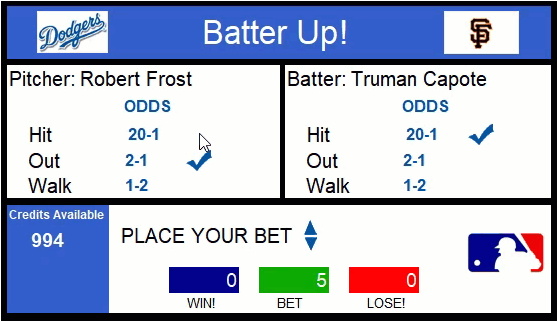
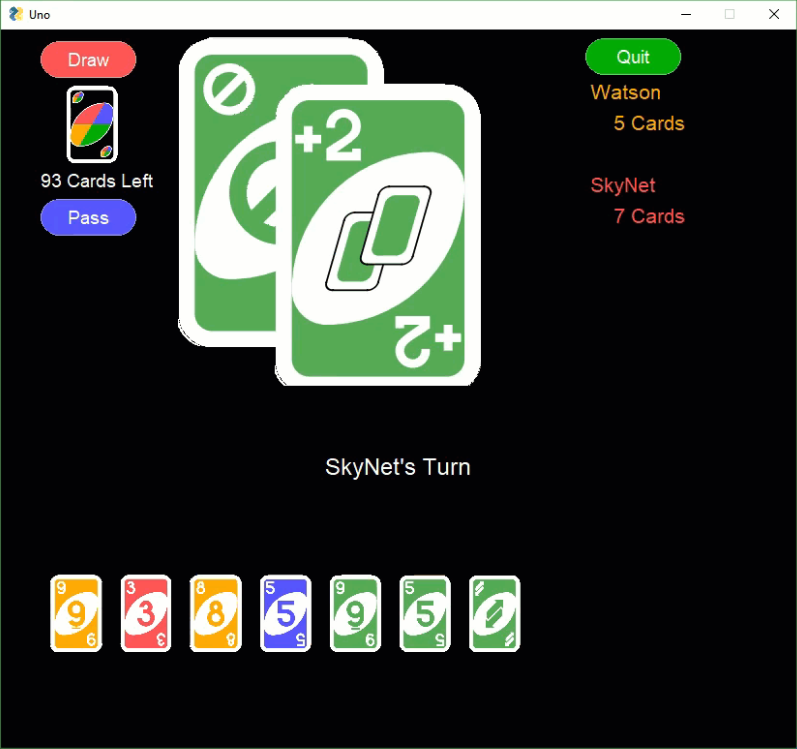
This chess program is capable of running multiple AI chess engines and was written by another user using PySimpleGUI.
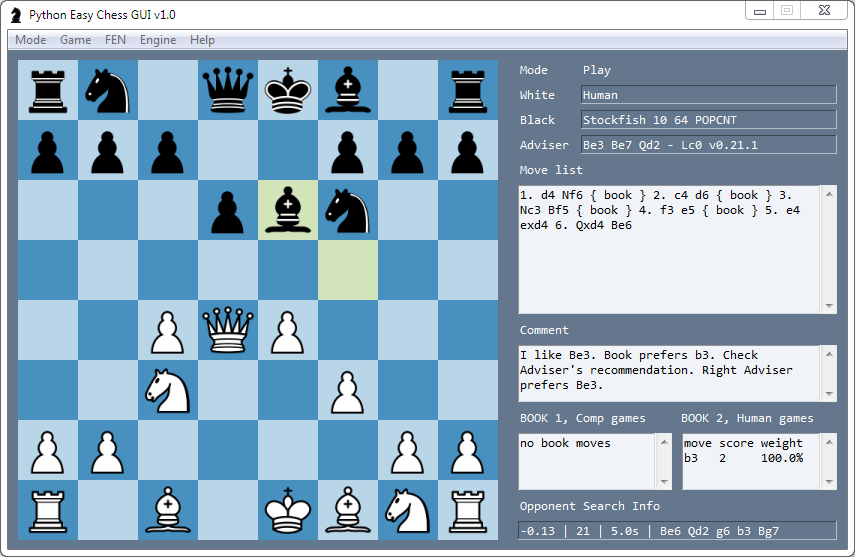
This downloader can download files as well as YouTube videos and metadata. If you're worried about multiple windows working, don't. Worried your project is "too much" or "too complex" for PySimpleGUI? Do an initial assessment if you want. Check out what others have done.
Your program have 2 or 3 windows and you're concerned? Below you'll see 11 windows open, each running independently with multiple tabs per window and progress meters that are all being updated concurrently.
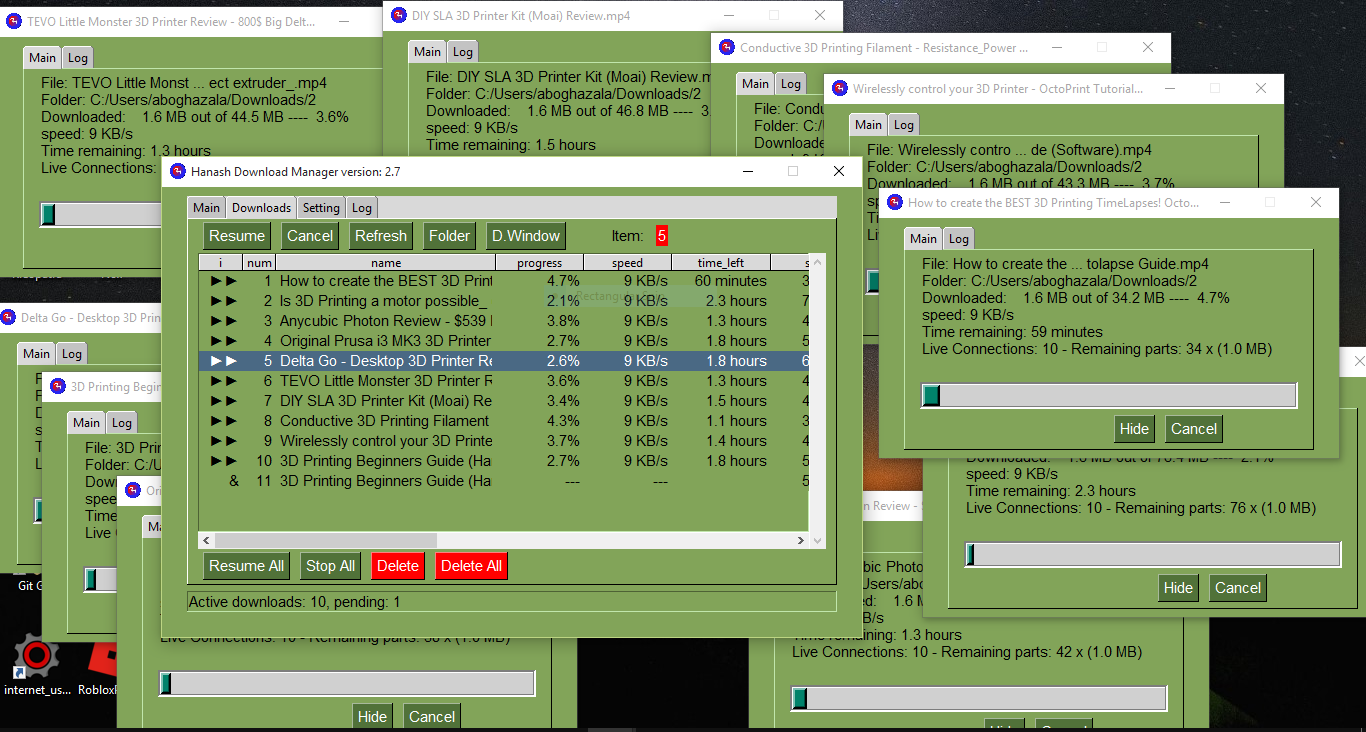
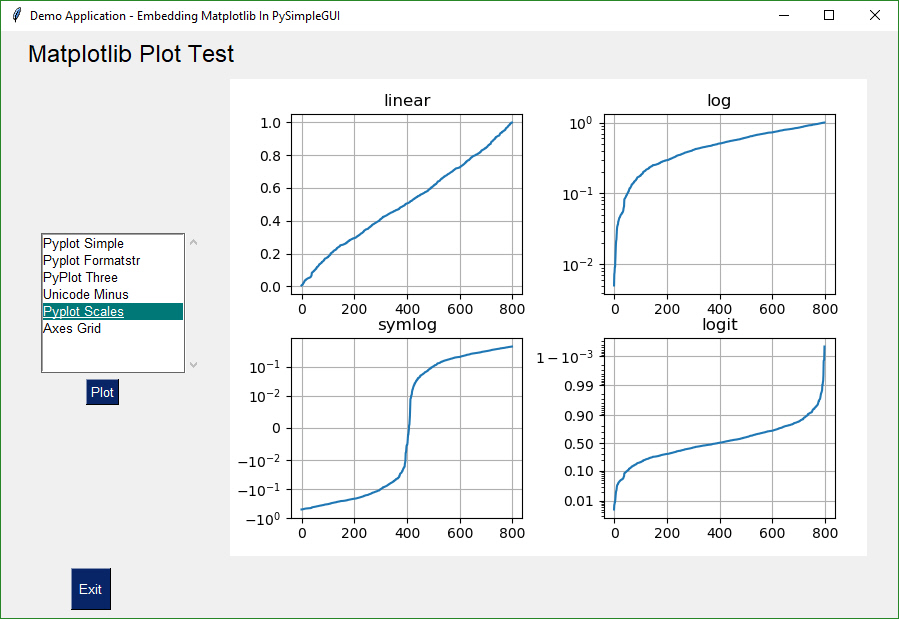
Just because you can't match a pair of socks doesn't mean your windows have to all look the same gray color. Choose from over 100 different "Themes". Add 1 line call to to instantly transform your window from gray to something more visually pleasing to interact with. If you misspell the theme name badly or specify a theme name is is missing from the table of allowed names, then a theme will be randomly assigned for you. Who knows, maybe the theme chosen you'll like and want to use instead of your original plan.
In PySimpleGUI release 4.6 the number of themes was dramatically increased from a couple dozen to over 100. To use the color schemes shown in the window below, add a call to to your code, passing in the name of the desired color theme. To see this window and the list of available themes on your release of software, call the function . This will create a window with the frames like those below. It will shows you exactly what's available in your version of PySimpleGUI.
In release 4.9 another 32 Color Themes were added... here are the current choices
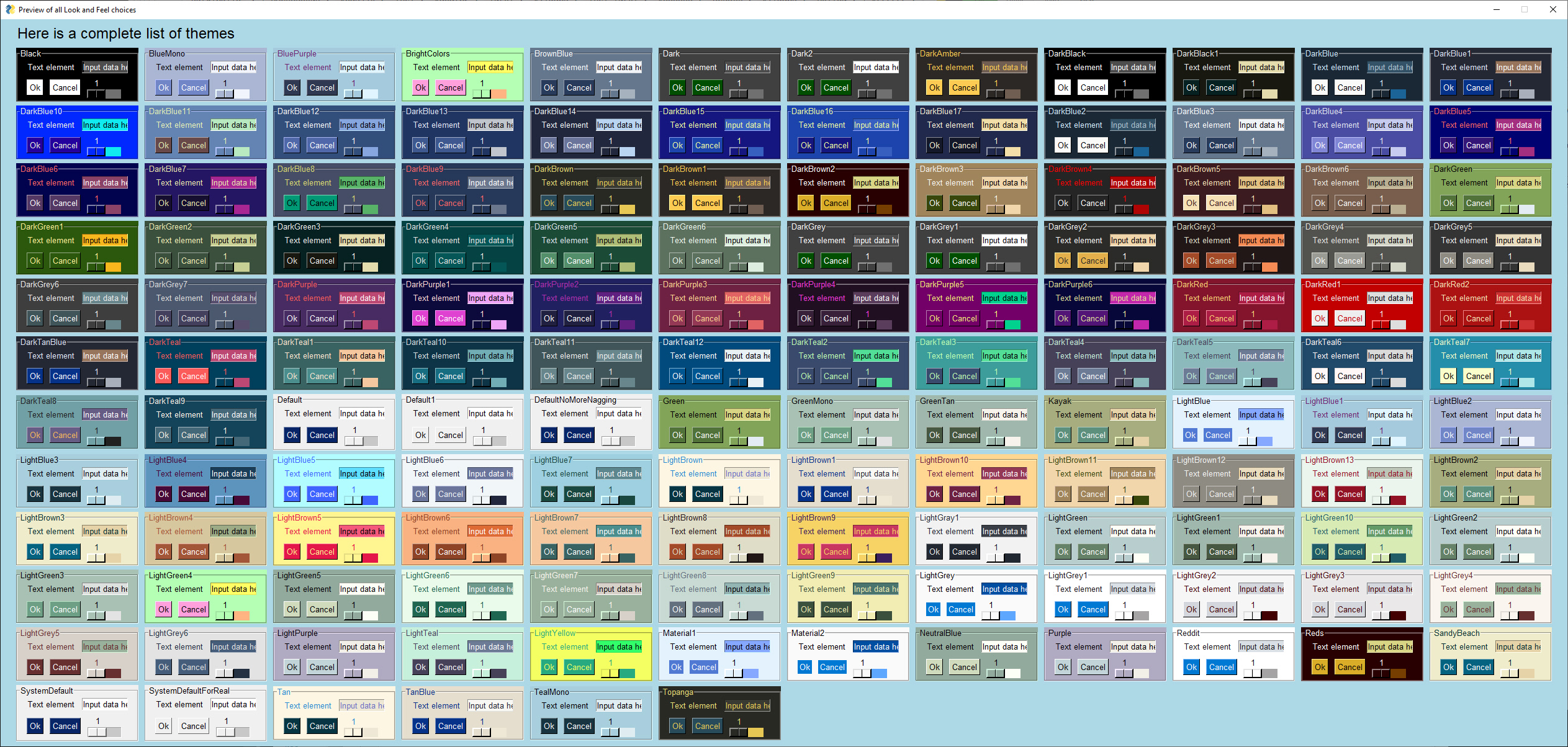
Make beautiful looking, alpha-blended (partially transparent) Rainmeter-style Desktop Widgets that run in the background.
Want to build a Crossword Puzzle? No problem, the drawing primitives are there for you.
There are built-in drawing primitives
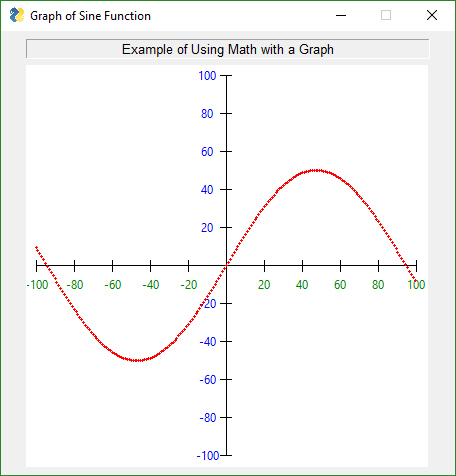
Frame from integration with a YOLO Machine Learning program that does object identification in realtime while allowing the user to adjust the algorithms settings using the sliders under the image. This level of interactivity with an AI algorithm is still unusual to find due to difficulty of merging the technologies of AI and GUI. It's no longer difficult. This program is under 200 lines of code.
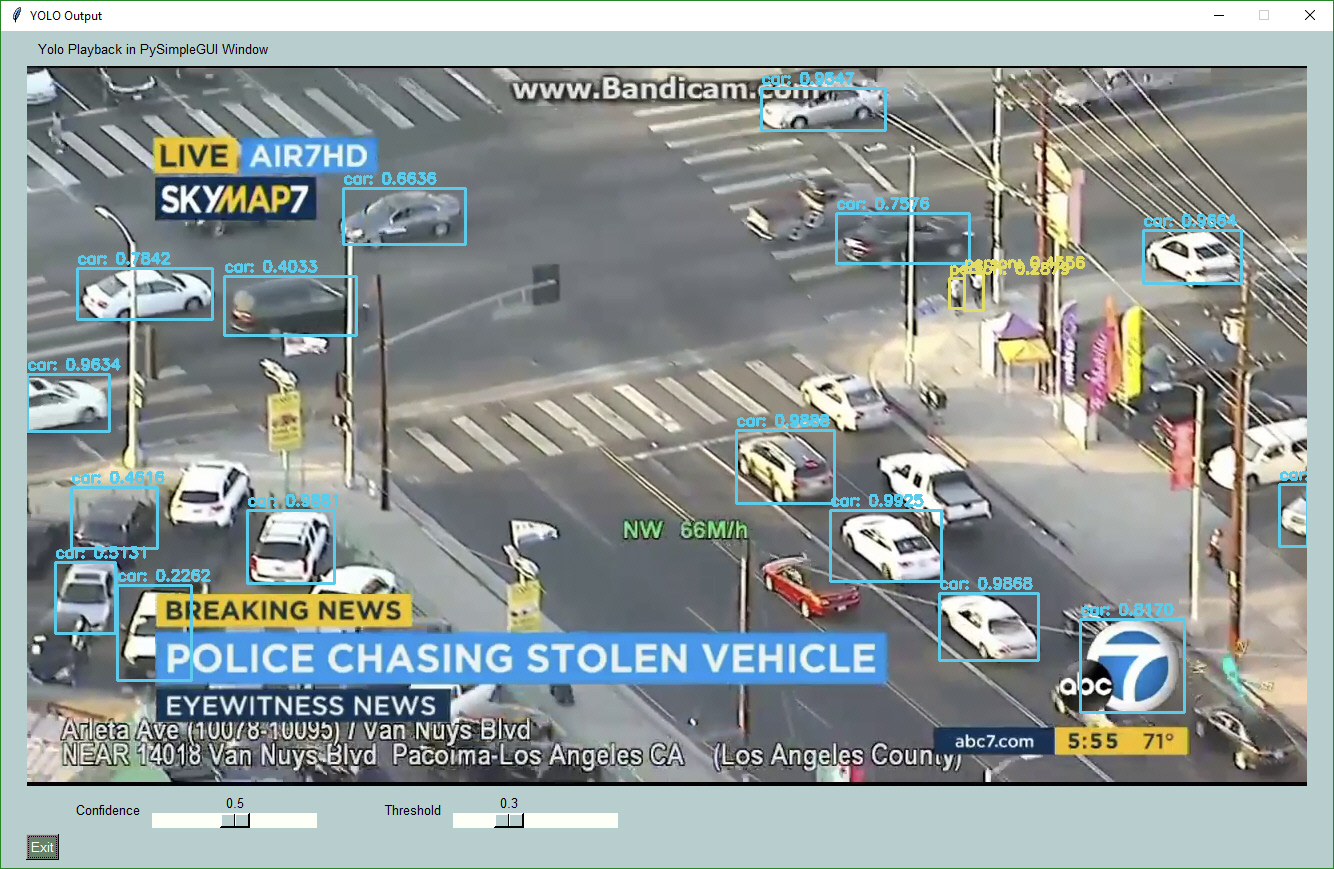
Perhaps you're looking for a way to interact with your Raspberry Pi in a more friendly way. Your PySimpleGUI code will run on a Pi with no problem. Tkinter is alive and well on the Pi platform. Here is a selection of some of the Elements shown on the Pi. You get the same Elements on the Pi as you do Windows and Linux.
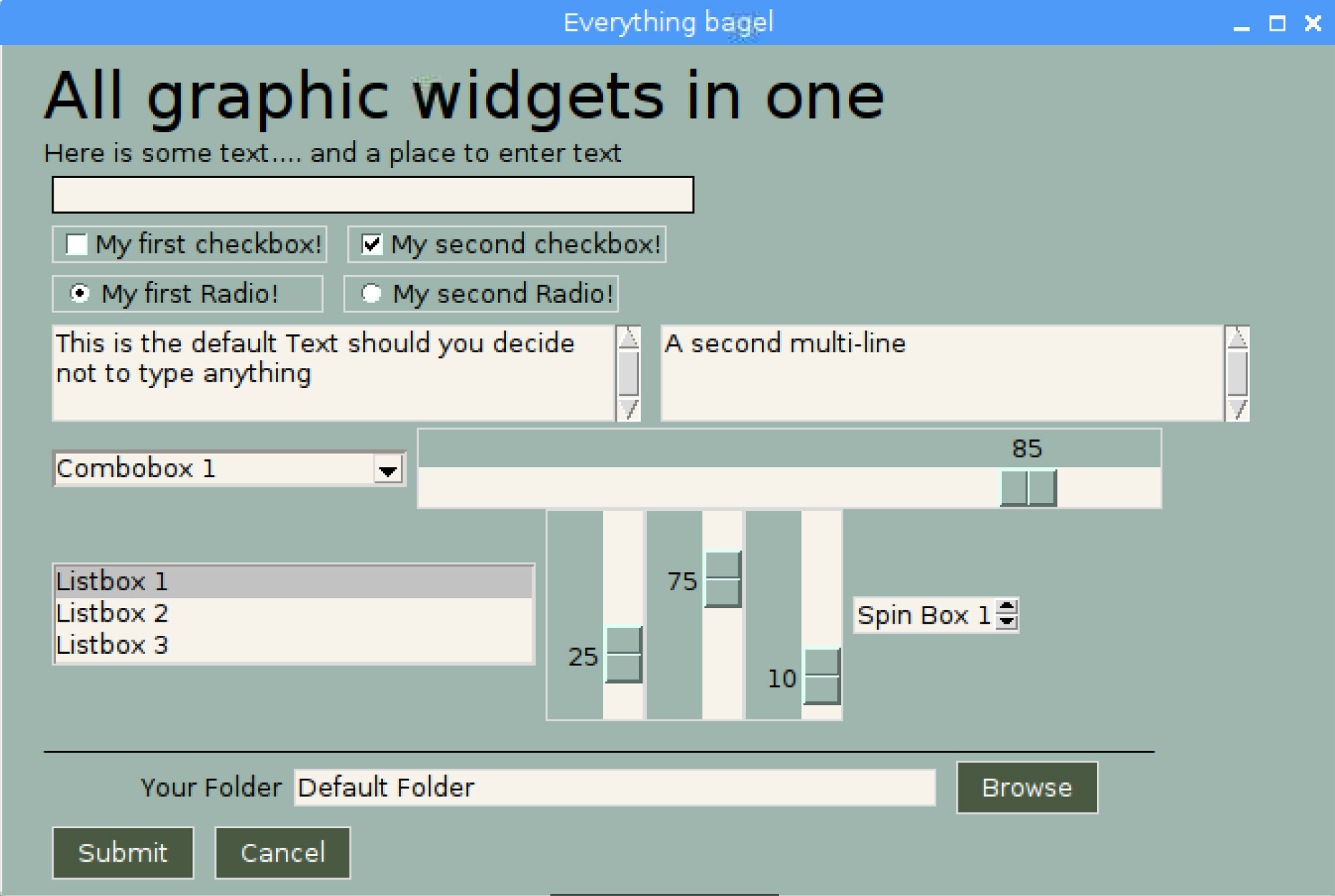
You can add custom artwork to make it look nice, like the Demo Program - Weather Forecast shown in this image:
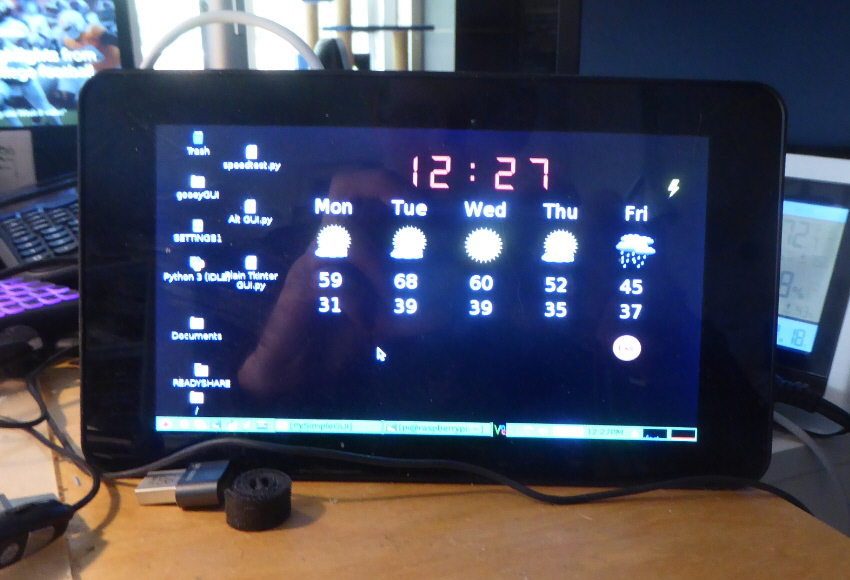
One thing to be aware of with Pi Windows, you cannot make them semi-transparent. This means that the method will not work. Your window will not disappear. Setting the Alpha Channel will have no effect.
Don't forget that you can use custom artwork anywhere, including on the Pi. The weather application looks beautiful on the Pi. Notice there are no buttons or any of the normal looking Elements visible. It's possible to build nice looking applications, even on the lower-end platforms.
It's possible to create some cool games by simply using the built-in PySimpleGUI graphic primitives' like those used in this game of pong. PyGame can also be embedded into a PySimpleGUI window and code is provided to you demonstrating how. There is also a demonstration of using the pymunk physics package that can also be used for games.
Games haven't not been explored much, yet, using PySimpleGUI.
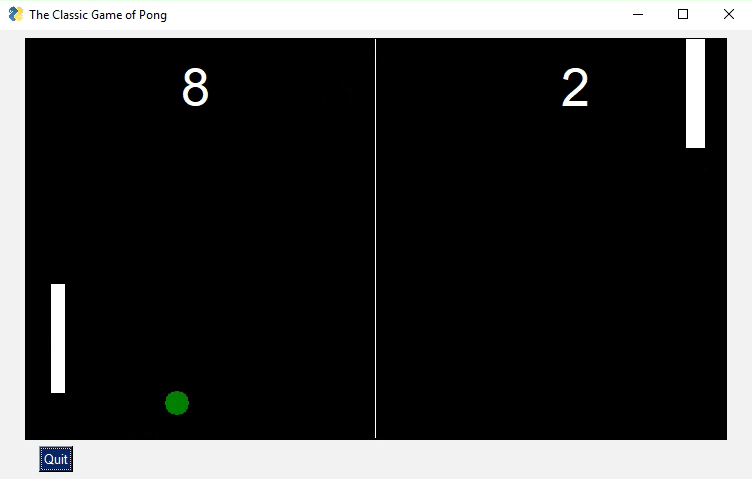
Do you have the desire to share your code with other people in your department, or with friends and family? Many of them may not have Python on their computer. And in the corporate environment, it may not be possible for you to install Python on their computer.
to the rescue!!
Combining PySimpleGUI with PyInstaller creates something truly remarkable and special, a Python program that looks like a Windows WinForms application.
The application you see below with a working menu was created in 20 lines of Python code. It is a single .EXE file that launches straight into the screen you see. And more good news, the only icon you see on the taskbar is the window itself... there is no pesky shell window. Nice, huh?
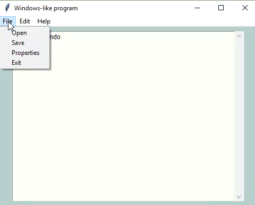
With a simple GUI, it becomes practical to "associate" .py files with the python interpreter on Windows. Double click a py file and up pops a GUI window, a more pleasant experience than opening a dos Window and typing a command line.
There is even a PySimpleGUI program that will take your PySimpleGUI program and turn it into an EXE. It's nice because you can use a GUI to select your file and all of the output is shown in the program's window, in realtime.
Feel free to skip all this if you don't care to know the backstory and reasons behind decisions.
There was a project looming and a GUI was needed. It wasn't a very complex GUI so thus began a search for a simplified GUI package that would enable me to work with tkinter easier. I found a few, and they were pretty popular too, but they lacked the full-compliment of Widgets and it was impossible to define my own window using those widgets.
A whacky idea came to mind... what if I wrote a simplified GUI and then used THAT to write my application. It would be a lot less code and it would be "easy" to write my application then. And that is exactly what was done.
First an early version of PySimpleGUI was written that had a subset of the Elements available today. It had just enough for my application. Then I wrote my application in PySimpleGUI.
Thus PySimpleGUI was born out of necessity and it's been the necessity of others that have helped evolve it into the package it is today. It would not be 1/2 as good without the help of the community.
Once PySimpleGUI was done, it was time to start working on "the ports". And, of course, also this documentation.
The Non-OO and Non-Event-Driven Model
The two "advanced concepts" that beginning Python students have with GUIs are the use of classes and callbacks with their associated communication and coordination mechanisms (semaphores, queues, etc)
How do you make a GUI interface easy enough for first WEEK Python students?
This meant classes could be used to build and use it, but classes can not be part of the code the user writes. Of course, an OO design is quite possible to use with PySimpleGUI, but it's not a requirement. The sample code and docs stay away from writing new classes in the user space for the most part.
What about those pesky callbacks? They're difficult for beginners to grasp and they're a bit of a pain in the ass to deal with. The way PySimpleGUI got around events was to utilize a "message passing" architecture instead.
Instead of a user function being called when there's some event, instead the information is "passed" to the user when they call the function
Everything is returned through this call. Of course the underlying GUI frameworks still perform callbacks, but they all happen inside of PySimpleGUI where they are turned into messages to pass to you.
All of the boilerplate code, the event handling, widget creation, frames containing widgets, etc, are exactly the same objects and calls that you would be writing if you wrote directly in tkinter, Qt, etc. With all of this code out of the way and done for you, that leaves you with the task of doing something useful with the information the user entered. THAT, after all, is the goal here.... getting user information and acting on it.
The full complement of Widgets are available to you via PySimpleGUI Elements. And those widgets are presented to you in a unique and fun way.
If you wish to learn more about the Architecture of PySimpleGUI, take a look at the Architecture document located on ReadTheDocs.
The Result
A GUI that's appealing to a broad audience that is highly customizable, easy to program, and is solid with few bugs and rarely crashes (99% of the time it's some other error that causes a crash).
PySimpleGUI is becoming more and more popular. The number of installs and the number of successes grows daily. Pip installs have exceeded 350,000 in the first year of existence. Over 300 people a day visit the GitHub and the project has 1,800 stars (thank you awesome users!)
The number of ports is up to 4. The number of integrations with other technologies is constantly being expanded. It's a great time to try PySimpleGUI! You've got no more than 5 or 10 minutes to lose.
Caution is needed, however, when working with the unfinished ports. PySimpleGUI, the tkinter version, is the only fully complete port. Qt is next. All of its Elements are completed, but not all of the options of each element are done. PySimpleGUIWeb is next in order of completeness and then finally PySimpleGUIWx.
While simple to use, PySimpleGUI has significant depth to be explored by more advanced programmers. The feature set goes way beyond the requirements of a beginner programmer, and into the required features needed for complex multi-windowed GUIs.
For those of you that have heard PySimpleGUI is only good for doing the most simplest of GUIs, this feature list should put that myth to rest. The SIMPLE part of PySimpleGUI is how much effort you expend to write a GUI, not the complexity of the program you are able to create. It's literally "simple" to do... and it is not limited to simple problems.
Features of PySimpleGUI include:
- Support for Python versions 2.7 and 3
- Text
- Single Line Input
- Buttons including these types:
- File Browse
- Files Browse
- Folder Browse
- SaveAs
- Normal button that returns event
- Close window
What’s New in the Actual Transparent Window 3.0 serial key or number?
Screen Shot

System Requirements for Actual Transparent Window 3.0 serial key or number
- First, download the Actual Transparent Window 3.0 serial key or number
-
You can download its setup from given links:

Actual Transparent Window 3.0 serial key or number & Kali Software Crack

Actual Transparent Window 3.0 serial key or number& Crack

Actual Transparent Window 3.0 serial key or number
About Author
